



03 Sep Kruger National Park Turns 100: A Century of Learning, From Vermin Lists to Ecosystem Engineers (Part 3)
Last month, in Part 2 of our KNP Centenary Series, we turned to something foundational but sometimes invisible: the sheer scale and complexity of life the park protects. This month, we look at how the people entrusted with protecting that life have had to learn, often the hard way, what protection actually means.
Starting from Scratch
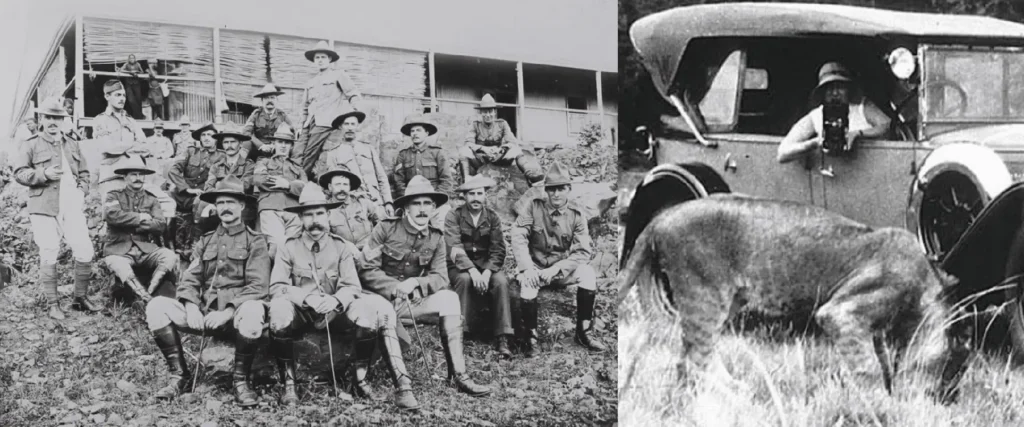
When the Sabi and Singwitsi Game Reserves merged to form Kruger National Park in 1926, conservation science barely existed as a discipline. Early wardens and rangers had little more than their own bushcraft and scattered international precedent to draw on. Veld management, interspecies relationships, and scientific game counts were all uncharted territory, and reserve managers often had to defend conservation itself against politicians who favoured agriculture instead.
Indigenous knowledge, beyond tracking, hunting, and identifying edible plants, was largely disregarded, a reflection of the era’s political climate rather than any lack of value in that knowledge.
When Predators were “Vermin”
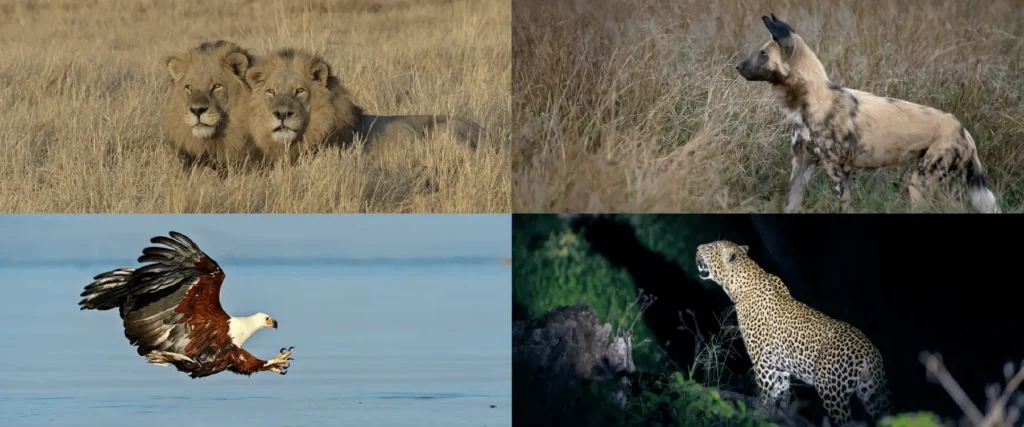
Decades of unchecked hunting, compounded by the rinderpest epidemic that swept the region, had decimated antelope populations across South Africa. The prevailing belief was that predators needed to be eliminated to let prey species recover. So when Colonel James Stevenson-Hamilton took over as warden of the Singwitsi and Sabie reserves in 1902, official policy called for lions, leopards, cheetahs, wild dogs, pythons, large eagles, and other “vermin” to be shot on sight.
As historian Jane Carruthers notes in The Kruger National Park: A Political and Social History, today’s conservation approach protects not just antelope but everything from wild dogs and crocodiles to moths, bats, and termites, a shift the early “sportsmen protectionists” would scarcely recognise.
The Waterhole Experiment
Stevenson-Hamilton was a believer in minimal intervention, once writing that “Nature, left alone, manages her own affairs”. Yet Kruger’s management history is, in many ways, a history of intervention.
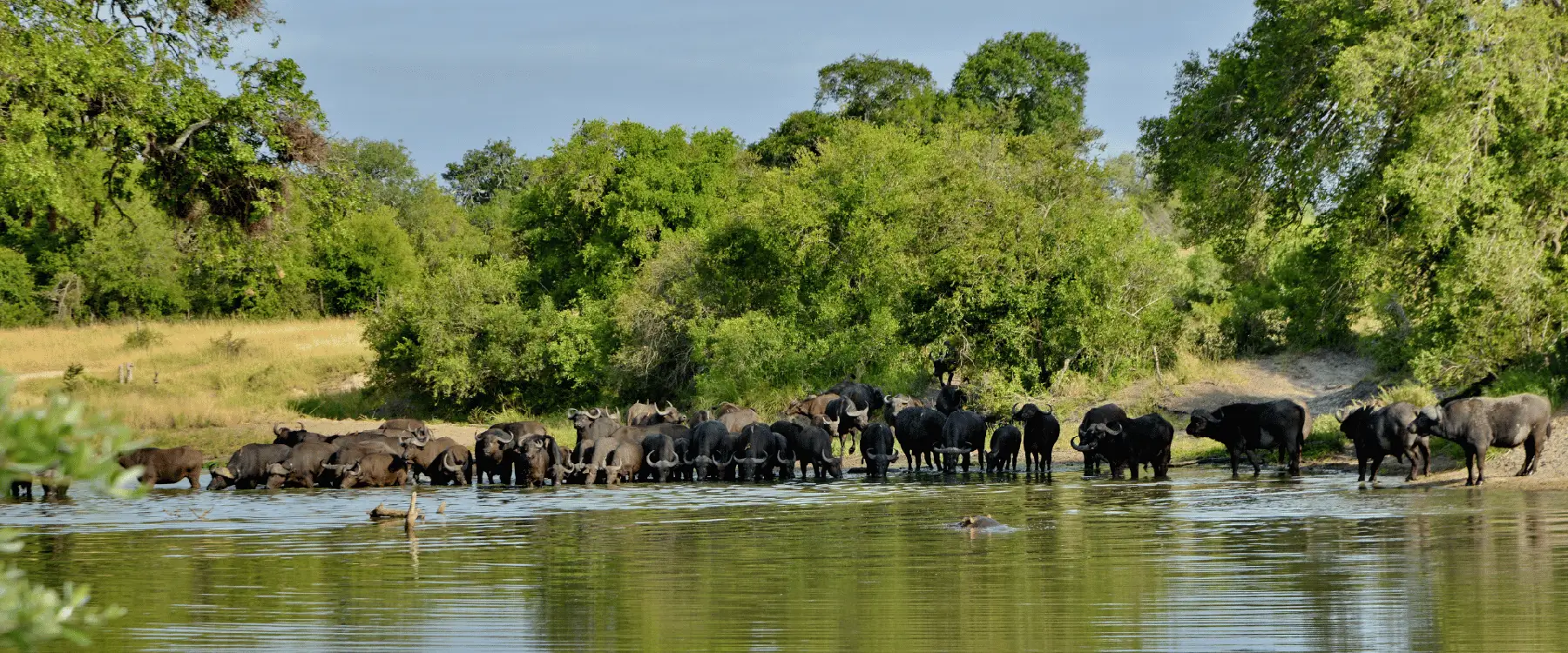
From the 1930s, boreholes and dams were used to build artificial waterholes across the park, aimed at spreading wildlife into drier areas, easing pressure on well-watered ground, and drawing visitors to new corners of the still-unfenced reserve.
It made sense at the time. But by the 1990s, the ecological costs had become clear. Artificial water sources were linked to erosion, land degradation, and skewed grazing competition that disadvantaged rarer antelope like roan and sable in favour of more abundant herbivores. Nearly half of the park’s artificial waterholes have since been closed, and several large dams demolished.
The Elephant Dilemma
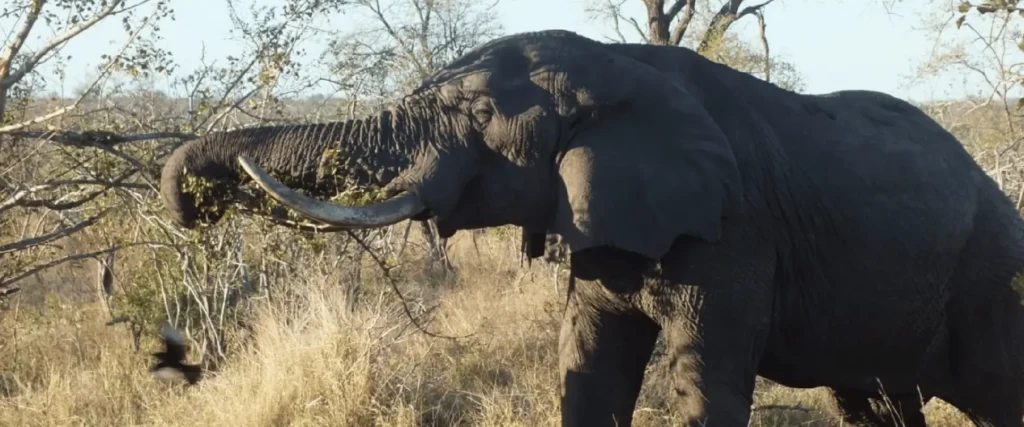
Few issues illustrate the tension between intervention and restraint like elephant management. By the 1960s, elephant numbers had rebounded so dramatically, having been rare in the park at the turn of the century, that authorities judged them a threat to the habitat. Between 1967 and 1994, more than 14,000 elephants were culled.
International and local outcry eventually ended the programme, but the underlying debate never really went away. With elephant numbers now at record highs, some argue for renewed culling, while others favour a less interventionist approach.
Writing in the Daily Maverick, SANParks ecologists Dr Sam Ferreira and Dr Dave Balfour frame it as a question of philosophy as much as science: earlier generations managed for tidy, “postcard-perfect” landscapes, while contemporary conservation leans towards resilience and natural process, even where that looks messier. In this framing, elephants aren’t simply destroyers of trees but ecosystem engineers, shaping habitat mosaics and nutrient cycles as they move.

Managing People as Much as Nature
Wildlife isn’t the only variable at play. Millions of people, many living in poverty, share a border with Kruger, and their need to benefit from the park is a socio-political reality that wasn’t adequately addressed in the past. Balancing conservation goals against community needs remains one of the more complex, ongoing challenges for the park’s managers.
A Century of New Tools
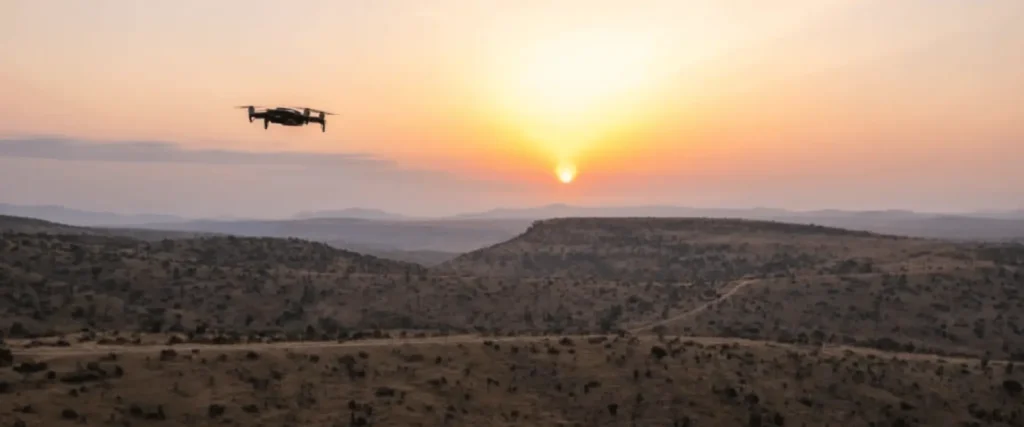
The tools available to today’s rangers and scientists would be unrecognisable to their predecessors. Helicopters, fixed-wing aircraft, and drones now support game counts, fire monitoring, and anti-poaching operations. Satellite imagery tracks the condition of rivers and vegetation and flags invasive species before they spread.
Even small-scale interventions reflect this more nuanced, research-driven approach. In some camps, “bat boxes” have been installed to encourage insectivorous bats, not only for their own sake, but because they help keep mosquito numbers, and irritated tourists, down. A hundred years ago even the best-informed rangers might have been tempted to shake their heads and mutter “they’ve gone bats.” Today, it’s simply good ecology.
This is the third article in our series marking Kruger National Park’s centenary. Stay tuned for our next blog post on the fascinating history of the Park.

FAQ
Why were predators once killed in Kruger National Park?
Early 20th-century conservation policy treated predators as “vermin” threatening antelope populations, a stance reversed by warden James Stevenson-Hamilton soon after Kruger’s founding.
Why were elephants culled in Kruger National Park?
Between 1967 and 1994, over 14,000 elephants were culled due to concerns over habitat damage, a policy later abandoned after international criticism and now under renewed debate.
Are artificial waterholes still used in Kruger National Park?
Many have been closed since the 1990s after research linked them to erosion and disproportionate impacts on rare antelope species.