



09 Nov Kruger National Park Turns 100: The Economic Value of the KNP (Part 5)
What do a supermarket cashier and a parking attendant in Hoedspruit have in common with a farmer supplying fresh produce to a safari lodge and a driver collecting tourists from Skukuza Airport?
Quite possibly, their livelihoods depend, at least in part, on the wildlife roaming the vast Kruger National Park (KNP), which is the same size as Wales or Israel.
A century after its establishment, Kruger’s economic influence extends far beyond its boundaries, supporting businesses and families, some of whom may never have visited the park nor have any particular interest in nature conservation.
More Than a Conservation Success Story
In 2025, South African National Parks (SANParks) posted more than R4.1 billion in turnover, with about 50% of this generated in the KNP, which was visited by more than 1.9 million tourists in 2024-25.
This revenue has important economic trickle-down impacts and is critically important in Limpopo and Mpumalanga provinces, which border the park.
In 2022, the government estimated that about 2.9 million people live within 50 km of the western boundary of the KNP.
The Business of Keeping Kruger Running
Keeping Kruger running, both as a tourism entity and from a practical day-to-day conservation management perspective, is a massive undertaking.
Almost everything required is sourced from a large network of suppliers, ranging from corporate wholesalers to individual craftspeople weaving baskets or other items for sale in curio shops or even at the side of the roads in the towns near the park.
Pumps, solar panels, construction equipment, spare tyres, fencing, furniture, linen, fuel, and numerous other items are needed and sourced, sometimes as far away as Johannesburg.
Supplies for Kruger’s restaurants and shops – all the larger camps have restaurants and well-stocked shops that sell food, drinks, clothing, curios, firewood, and other goods – are delivered by truck daily.
An Economic Lifeline for Local Communities
The KNP is also the lynchpin of the economies in the towns of Hoedspruit, Hazyview, Phalaborwa, and smaller villages near the Kruger.
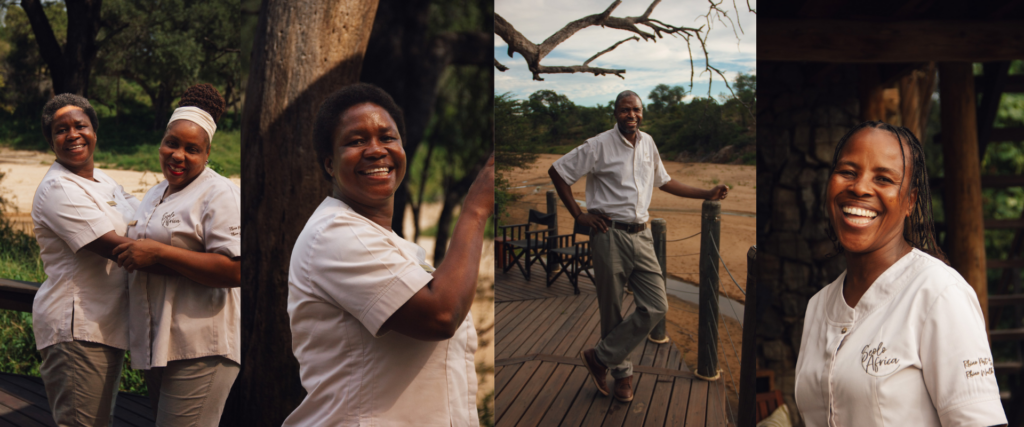
Those involved in the service industry in these towns work as guides for hotels and tour companies and run B&Bs or restaurants, which employ people to cook, work as waiters, clean or do other work, jobs which are critically important in a region with high unemployment.
The Greater Kruger Economy
There are also more than 200 safari lodges in the private nature reserves bordering the KNP, and they form part of the Greater Kruger National Park (GKNP), which is sometimes known as the “safari capital” of South Africa.
A 2020 study by researchers from SANParks and the University of Florida (USA) estimated that the GKNP’s contribution to local economies, including the entire value chain, was R6.6 billion. Their study estimated that more than 10 000 people were employed in the GKNP, including the private reserves.
The KNP employs about 2 500 people on a permanent basis, and several thousand more are employed at private lodges or hired on a part-time basis. About 87% of all staff come from local communities.
The area is serviced by the Eastgate Airport in Hoedspruit and Skukuza Airport, although some visitors use the Kruger-Mpumalanga Airport in Mbombela, which is 100 km from the southern parts of KNP. These airports are dependent on tourism and are important centres of employment.
International tourists usually travel to other parts of the country as well, particularly Cape Town, and thus contribute to the national tourism economy too.
“The park has become a major economic driver, contributing millions to the economy and supporting extensive local employment,” Niko Allie, deputy director of the Government Communication and Information Service, wrote earlier this year in an article entitled Kruger at 100: A South African conservation story.
Tourism, Employment and Investment
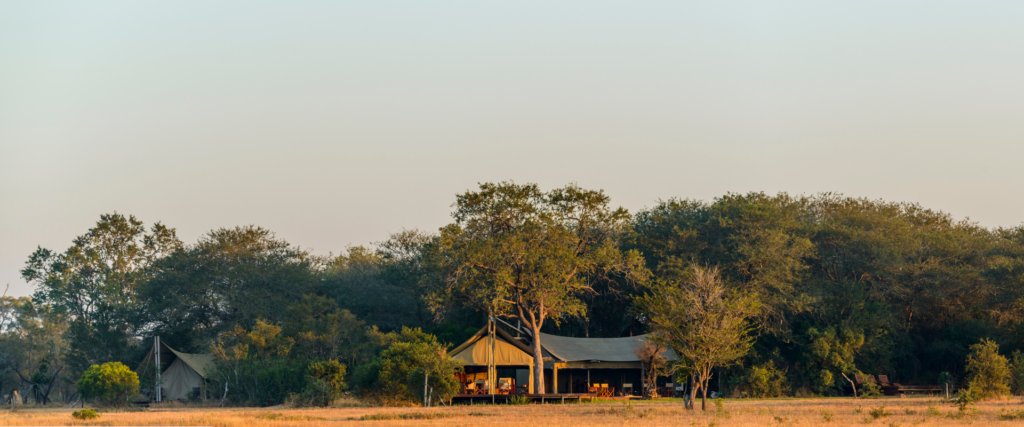
The scale of the tourism infrastructure within the park is massive. There are 27 camps varying in size from Skukuza, which can accommodate 1 000 visitors, to small wilderness trail camps, collectively offering a total of 4 243 beds. Some 3 840 visitors can be accommodated in camping sites.
Seven upmarket lodges within the park, run by concessionaires, can accommodate about 300 guests nightly, and community lodges offer about 392 beds.
The lodges form part of SANParks’s commercialisation project launched over 25 years ago, a venture which has added considerable value, both economic and social, to KNP.

Conservation with a Community Impact
In addition to creating employment and attracting tourism revenue, some lodges offer an array of social development programmes including assisting with education, supporting clinics, and helping community projects.
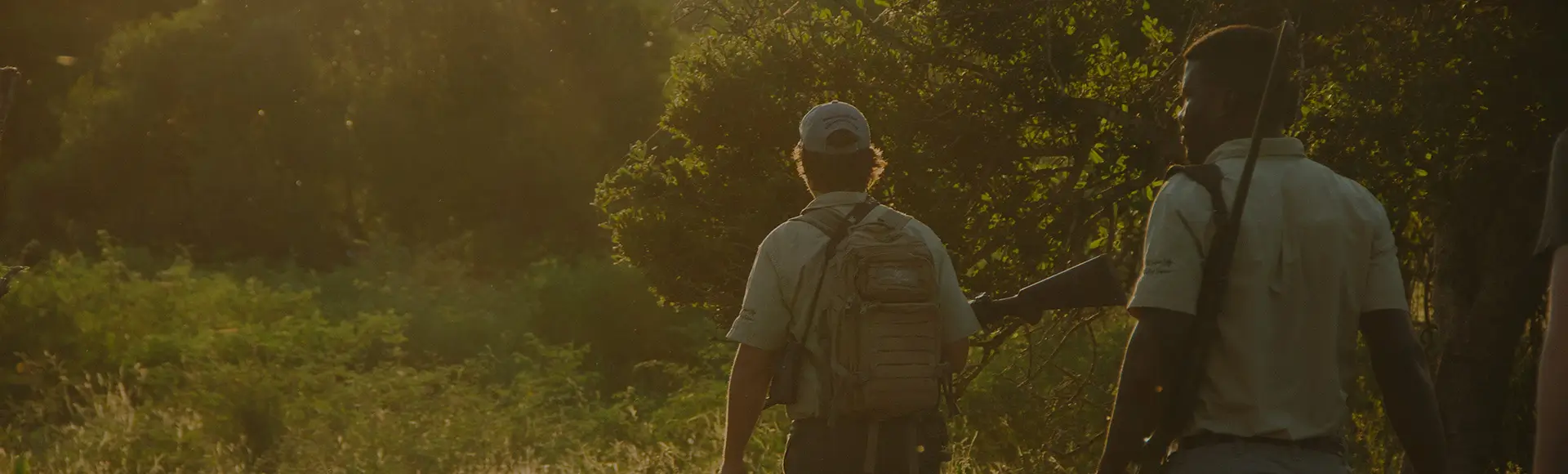
Rhino Walking Safaris, managed by Seolo Africa, for example, assists various projects in the immediate vicinity of southern Kruger, including the Creseldah Education Foundation which helps address poverty by providing educational skills development courses, and the SK3 Sewing Project which has been donated sewing machines, material and training as well as being offered marketing assistance.
The company also supports fundraising initiatives for Skukuza Primary School, which is attended by the children of staff employees. Rhino Walking Safaris, like many of the private concessions, targets local businesses wherever possible for procurement of supplies and has contracted with local community members for both guest transfers and staff transport.
These may be relatively small projects in the context of Kruger’s enormous economy, but their impact on the people involved can be life-changing.
Beyond the Park’s Boundaries
In recent years, the GKNP has also proved a magnet for smaller wildlife estates, where upmarket homes are built on fenced properties stocked with free-ranging game. The estates, particularly in rapidly growing Hoedspruit, also create local employment, both directly and through using service providers.
Estate agents report that property prices in the town have increased by 154% over the past decade.
The economic importance of the KNP has been acknowledged since its creation in 1926, but the matrix of benefits flowing from good wildlife conservation and successful tourism is now more important than ever before.
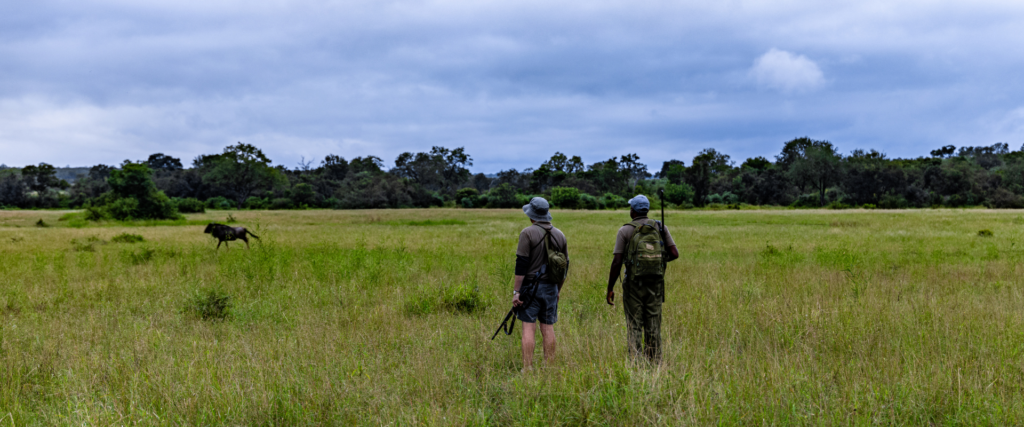
Looking Ahead: Kruger’s Economic Future
“The future of conservation of biodiversity and cultural heritage depends on sustaining reliable revenue streams, social development, inclusion, and benefit sharing,” SANParks states in its Vision 2040: Pathways to the Future of Conservation strategy.